An ISO9001 Certified Supplier of Pharmaceutical Ingredients and Specialty Chemicals
- About
- Core Solutions
- Products
- Active Pharmaceutical Ingredients
- Fluorine-containing APIs hot
- Anesthetic Analgesia APIs
- Anti-Acid APIs
- Anti-anemia APIs
- Anti-Angina APIs
- Anti-Atherosclerotic APIs
- Anti-cerebralischemia APIs
- Anti-Duchenne Muscular Dystrophy APIs
- Anti-Gout APIs
- Anti-Insomnia APIs
- Anti-Multiple Sclerosis APIs
- Anti-muscular Dystrophy APIs
- Anti-Myasthenia Gravis APIs
- Anti-Overactive Bladder APIs
- Anti-Tumor APIs
- Antiarrhythmic APIs
- Antiasthmatic APIs
- Antibacterial APIs
- Anticoagulant & Antiplatelet APIs
- Anticongestive Heart Failure APIs
- Antidepressant APIs
- Antidiarrheal APIs
- Antiemetic & Emetic APIs
- Antihistamine APIs
- Antihypertensive APIs
- Antimigraine APIs
- Antiparasitic APIs
- Antipsychotic APIs
- Antishock Vasoactive APIs
- Antispasmodic APIs
- Antitussive APIs
- Antivirus APIs
- APIs for Alzheimer's Disease
- APIs for Androgens
- APIs for Chronic Cardiac Insufficiency
- APIs for Endometriosis
- APIs for Estrogens
- APIs for Hypotension
- APIs for Liver Disease
- APIs for Parkinson's Disease
- APIs for Progestogens
- APIs for Skin Disease
- Blood Volume Expansion APIs
- Bronchiectasis APIs
- Cardiovascular and Geriatric Medicine APIs
- Central Stimulant APIs
- Choleretic APIs
- Contrast Agent APIs
- Cosmetics APIs
- Defecation-Stimulating APIs
- Diuretic APIs
- Expectorant APIs
- Gastric Motility-Promoting APIs
- Glucocorticoids & Corticosteroids APIs
- Hemostatic APIs
- Hormone and Endocrine Regulation APIs
- Hypoglycemic APIs
- Inhibit Gastric Acid Secretion APIs
- Leukocyte Proliferation-Stimulating APIs
- Lipid-Lowering APIs
- Molecular Glue
- Nonsteroidal Anti-inflammatory (NSAID) APIs
- Nutrition & Healthcare APIs
- Ophthalmic APIs
- Other APIs
- Peptide APIs
- Peripheral Vasodilation APIs
- Platelet-Promoting APIs
- Radioactive Isotope APIs
- Sedation & Hypnosis APIs
- Small Molecule APIs
- Trace Elements & Mineral APIs
- Vitamin APIs
- Water, Electrolytes and Acid-Base Balance Regulating APIs
- Chemicals
- Cosmetic Ingredients and Additives
- Intermediates
- Natural Extract
- Pharmaceutical Excipients
- Adsorbents, Desiccants And Humectants
- Antioxidant Excipients
- Binder Excipients
- Capsule Excipients
- Capsule Shell
- Carrier Excipients
- Cellulose Series
- Chelating Agents
- Coating System Excipients
- Colorant Excipients
- Corrective Agents
- Diluent Excipients
- Disintegrant Excipients
- Dispersion Excipients
- Drop Pill Base
- Dry Powder Inhalation Excipients
- Effervescents
- Emulsifiers
- Filler Excipients
- Inclusion Compounds
- Lipid Excipients
- Lubricant Excipients
- Lyophilization Reagents
- Micro-drug Delivery Systems
- Mucosal Drug Delivery Systems Materials
- Ointment Base
- Osmotic Pressure Regulators
- Penetration Enhancer Excipients
- pH Modifier Excipients
- Plasticizer Excipients
- Preservatives Excipients
- Solubilizer Excipients
- Stabilizer Excipients
- Suppository Base
- Surfactant Excipients
- Sustained & Controlled Release Materials
- Thickener Excipients
- Transdermal Drug Delivery Systems Materials
- Wetting Agents
- Proteins & Biomaterials
- Active Pharmaceutical Ingredients
- API Services
- Chemical Contract Manufacturing
- Analysis
- Deformulation
- Method Development & Method Validation
- Drug Analysis
- Chemical-physical Test
- Relative Density Test
- Melting Point Test
- Optical Rotation Test
- Refractive Index Test
- LogP/LogD/Pka Analysis
- pH Test
- Molar Concentration of Osmotic Pressure Test
- Viscosity Test
- Electrical Conductivity Test
- Total Organic Carbon Test
- Size Determination-Particle
- Particle Morphology Test
- Surface Charge Determination-Particle
- Disintegration Test
- Dissolution Test
- Otr & Wvtr Test
- Impurity Test
- Stability Test
- Chemical-physical Test
- Cosmetics Analysis
- Formulation Development
- Lyophilized Flash Release Formulation Development
- Novel Drug Delivery System Development Services
- Microneedle Technology Services
- Oral Thin Films Drug Delivery Services
- Microencapsulation Drug Delivery System Services
- Nanoparticle Development Services for Drug Delivery Systems
- Vesicular-based Drug Delivery System Services
- Emulsion Formulation Services
- Microparticle Depots Design and Development Services
- Coupled Targeted Delivery Services
- Polymer-in-situ Forming Implant Systems Development Services
- Hydrogel Drug Delivery System Development Services
- Silicone Drug Delivery System Development Services
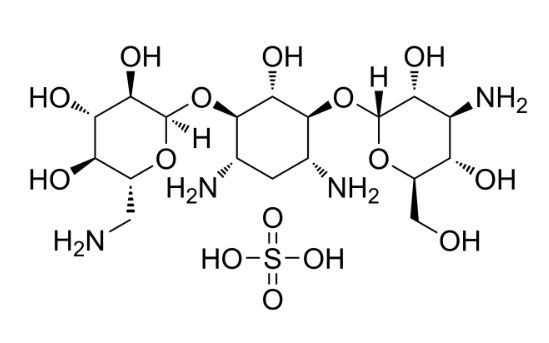
 Fig. 1 Two-dimensional representation of TolC-kanamycin interaction complex analysis. (Pattanayak BS, et al., 2021)
 Fig. 2 IR maps assigned to the distribution of phosphate (a1,b1) and methylene (a2,b2) groups and IR spectra of dropcast (a3) and HAp/KAN/FGF2 (fibroblast growth factor 2) coatings obtained at 300 mJ/cm2 laser fluence (b3). (Gherasim O, et al., 2021)